One day in Vilnius: the best of it, all within a short walk
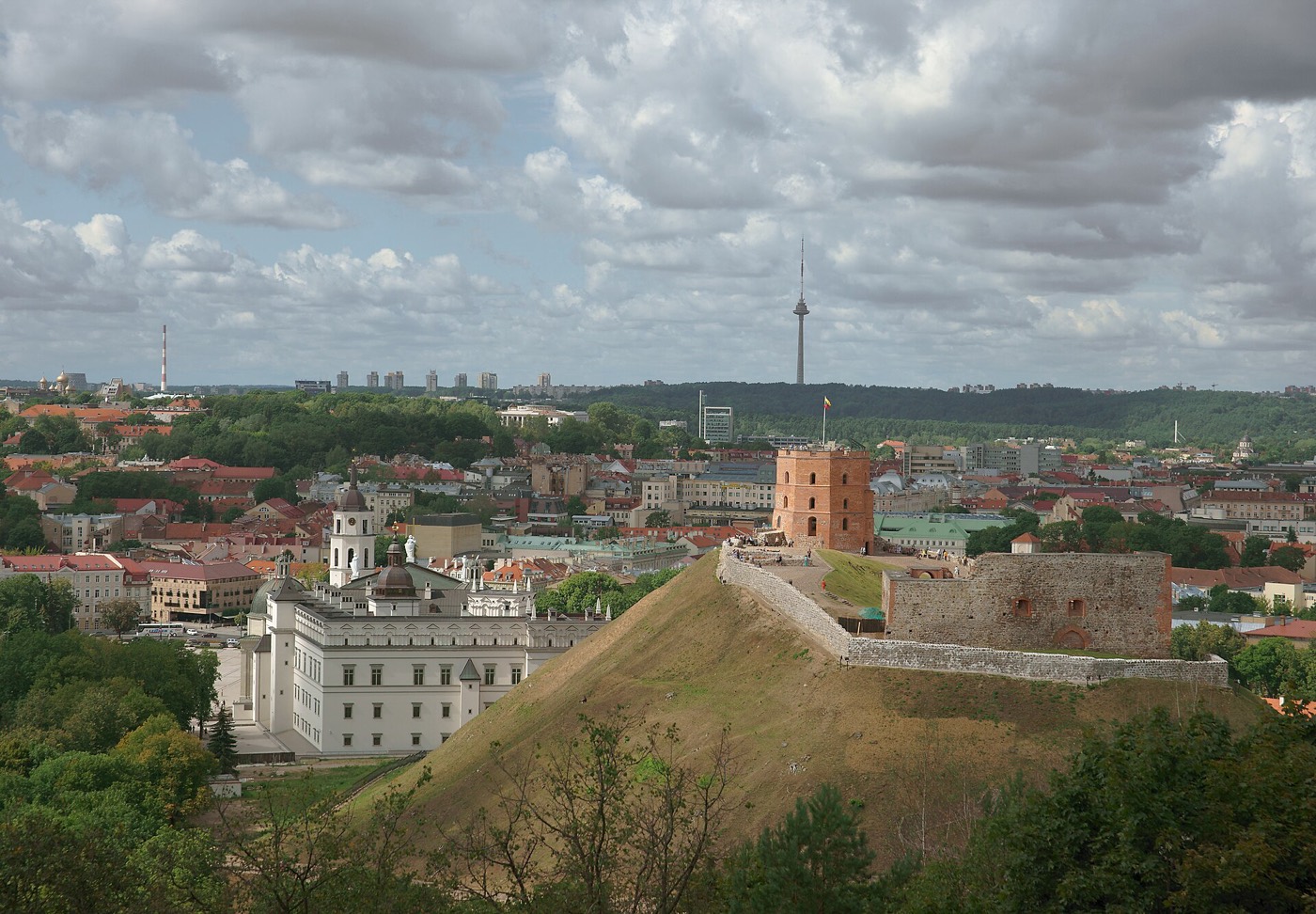
You’ve got a layover, or a single free day — and you want the Vilnius that looks back at you from every postcard and fridge magnet. The hidden gems can wait; we start with the essentials. They sit in one compact cluster — a couple of hours at a strolling pace — and you’ll only stay longer if you choose to, over a coffee or a glass of wine.
Start at Cathedral Square
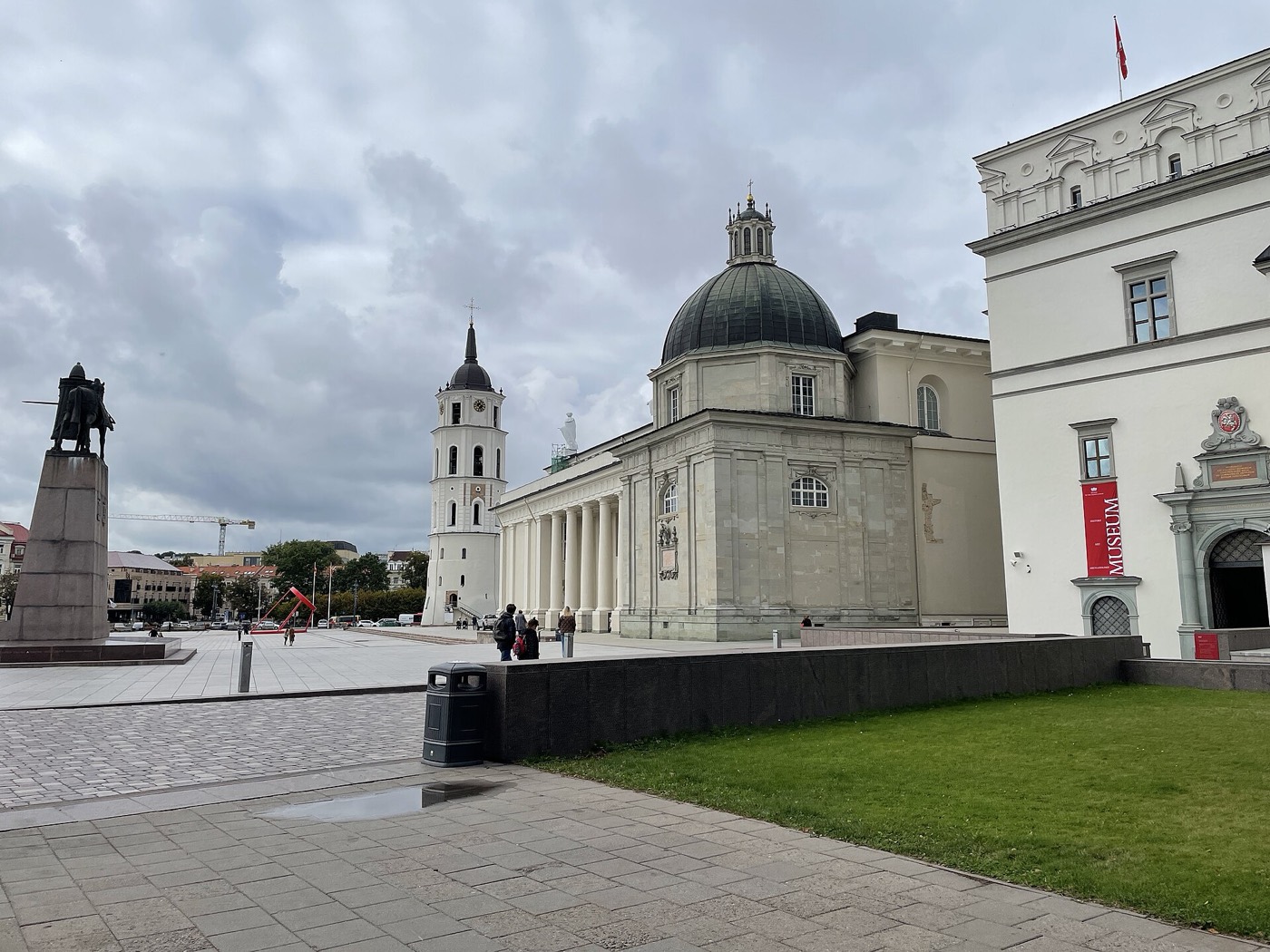
Katedros aikštė is the heart of the city and the best place to get your bearings: the white cathedral, its free-standing bell tower, and behind them a green hill topped with a tower of its own. Next to the cathedral stands the Palace of the Grand Dukes of Lithuania (Valdovų rūmai), the rebuilt residence of the Grand Dukes, with a monument to Gediminas, the founder of Vilnius, out in front of it. Take your time looking around, then find the “stebuklas” ('miracle') tile underfoot — locals stand on it, turn a full circle and make a wish. Make one too; the walk is only just beginning.
Climb once — for the panorama
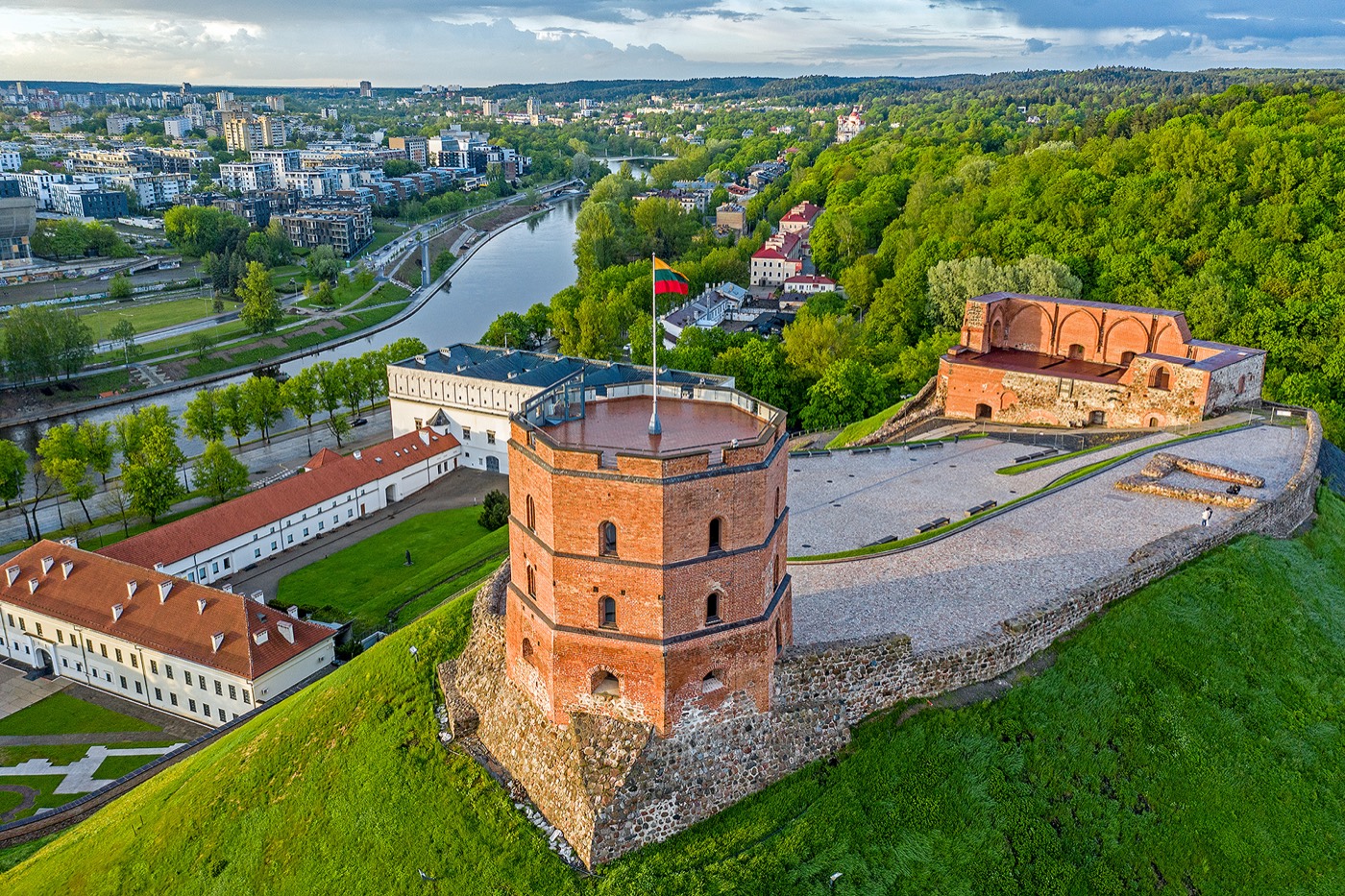
Vilnius’s red-tiled roofs and spires are best seen from above, and that view is worth the climb. Two options: Gediminas Hill (Gedimino kalnas) with its brick tower — reached by a short path or a funicular — or the Hill of Three Crosses (Trys kryžiai) facing it across the valley. Better not both at once: pick one, or the whole day turns into staircases. At the top, don’t rush off — this is the Vilnius postcard you came for.
Not in the mood to climb? There are rooftops
You can have the same panorama the easy way: rooftop bars atop the “Neringa” hotel and the Theatre, both a couple of minutes away on Gedimino prospektas. Settling in with a coffee or a glass of wine while the city’s roofs lie spread out before you is about the finest thing you can do on a warm day.
At the foot of the hill — the National Museum
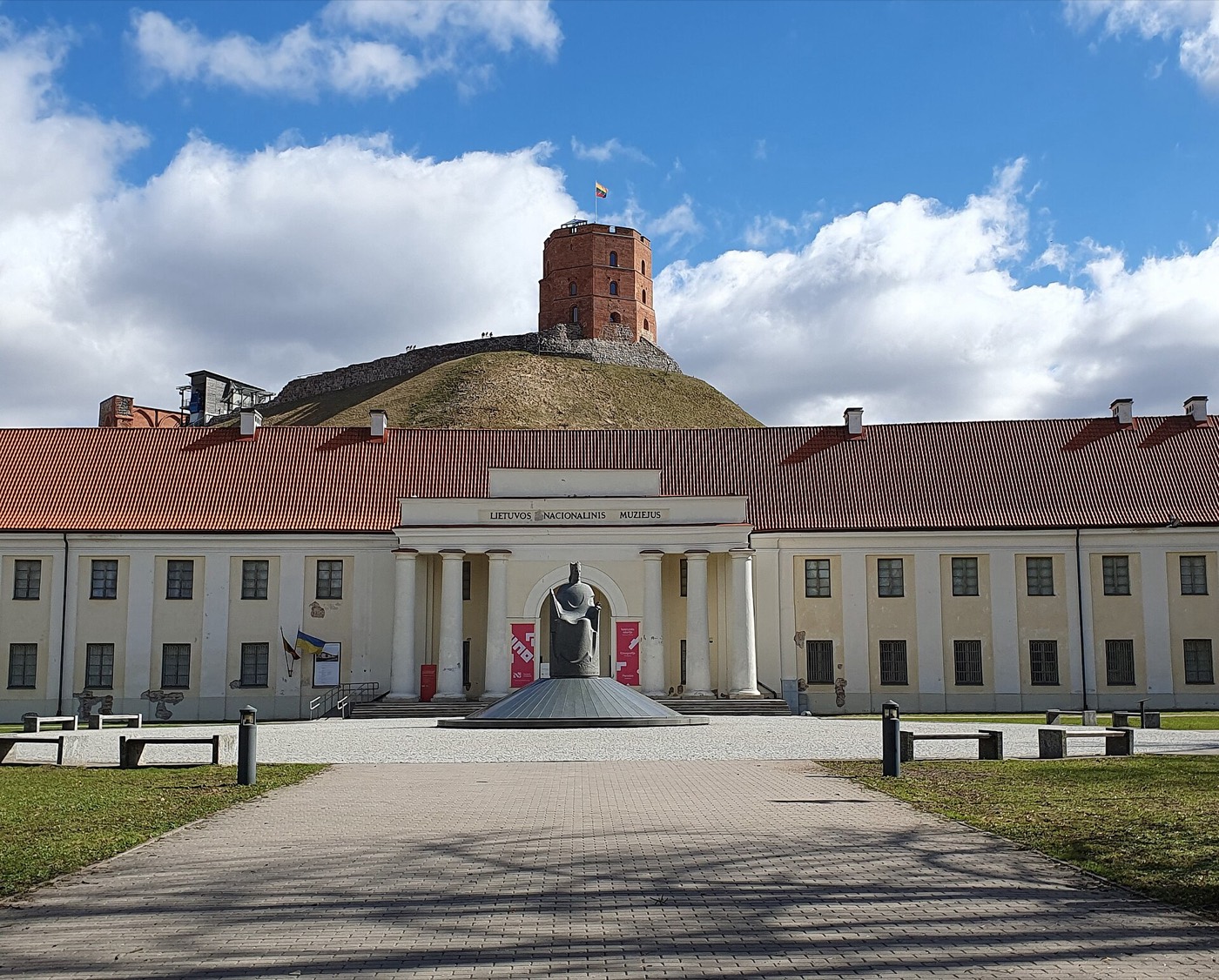
Right below Gediminas Hill stands the National Museum of Lithuania (Lietuvos nacionalinis muziejus), where the main entrance is watched over by a monument to King Mindaugas, the first and only King of Lithuania. Inside, it runs from archaeology to the twentieth century and independence. If you do have time for one museum, make it this one. And the best souvenirs, as everyone knows, are always in the museum shop. Come on the last Sunday of the month and both the museum and the climb up the hill are free that day — though tickets here are inexpensive anyway.
The Bernardine Garden — the city, alive
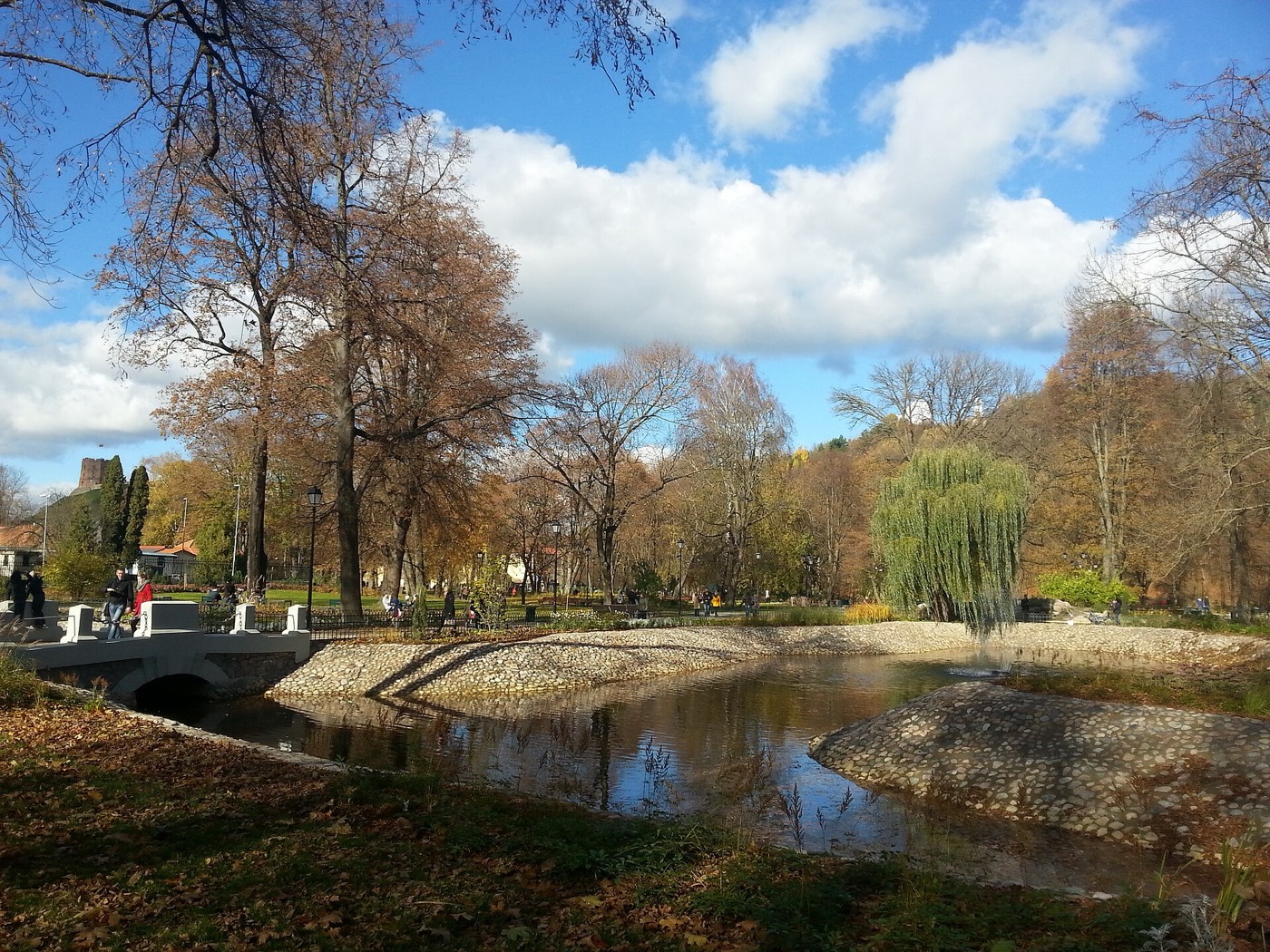
A little further on is the Bernardine Garden (Bernardinų sodas): quiet green corners by the river on one side, an open-air food court where locals gather in the evenings on the other. Beer, street food, and on the big screen it’s football one night, Eurovision the next, with the whole garden cheering along. It’s good here, and genuinely alive — Vilnius itself, not a postcard backdrop. Worth lingering over: there’s no better place to feel the city from the inside.
St Anne’s Church
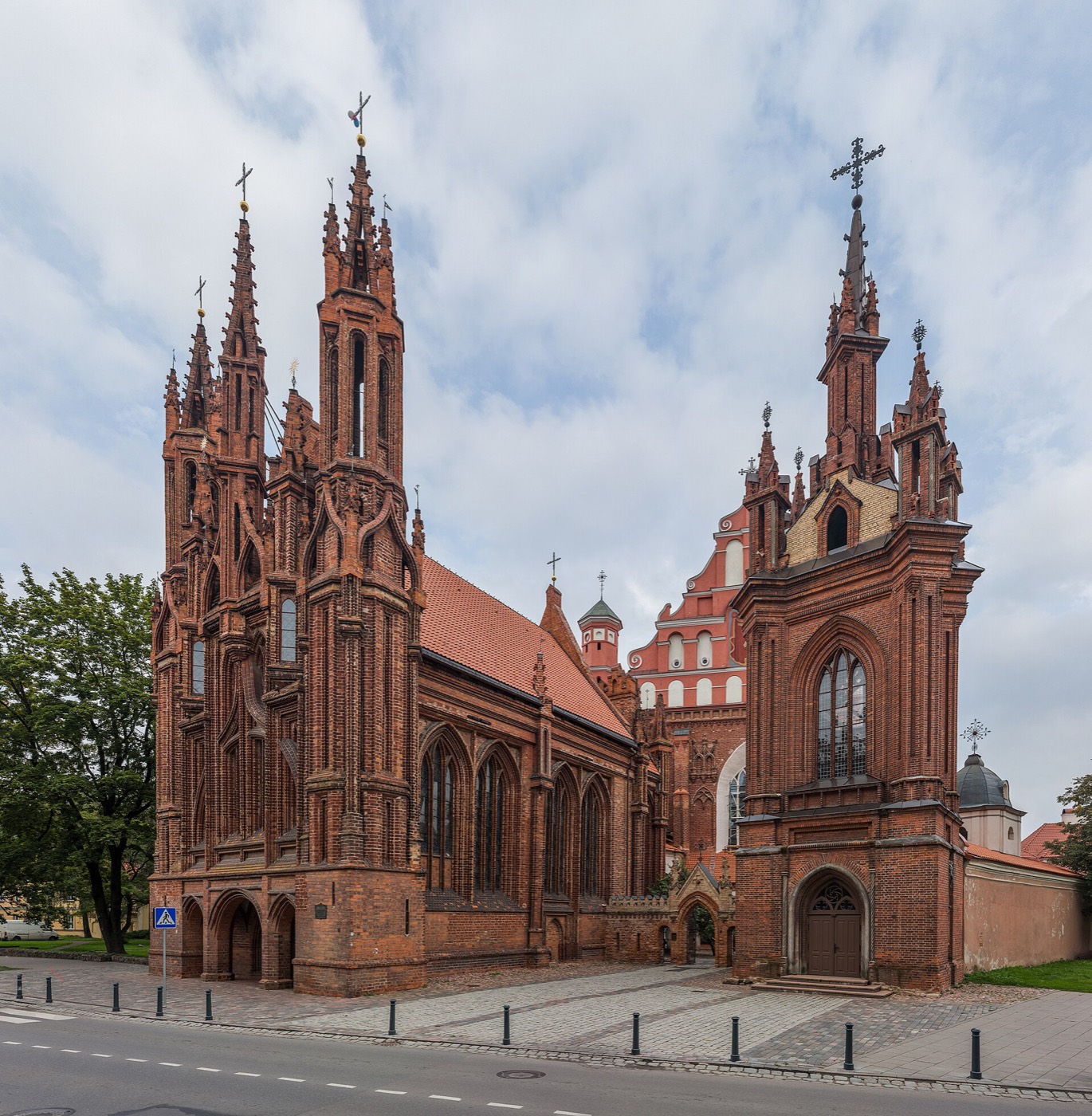
The food court sits quite literally in the shadow of St Anne’s Church (Šv. Onos bažnyčia), so you can wander over straight from your table. Delicate red-brick Gothic that Napoleon, so the legend goes, wanted to “carry back to Paris in the palm of his hand.” A lovely end to the walk — one that won’t show you all of Vilnius’s depth, of course, but will leave you with the true pleasure of its beauty and its quiet charm.