The plane that fell 650 kilometres short: the Lituanica relics in Kaunas
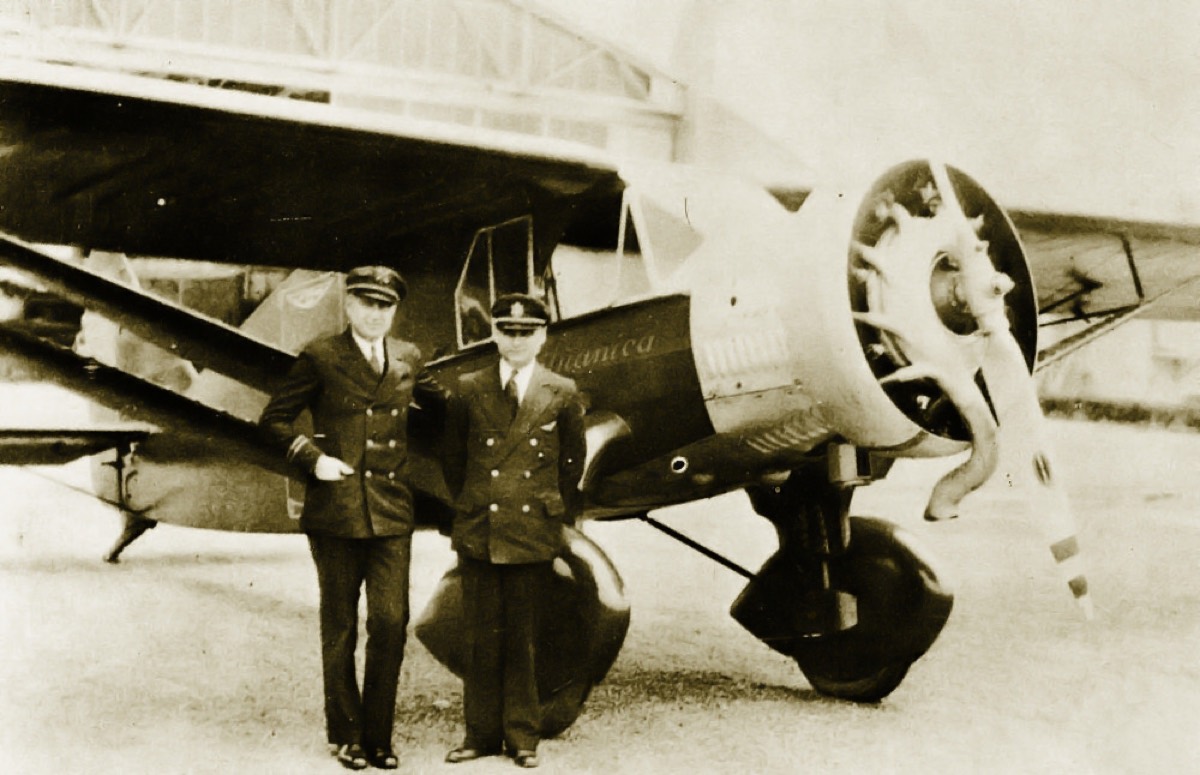
In July 1933 two Lithuanians took off from New York for Kaunas in a small orange plane. They conquered the Atlantic. They never reached home.
Steponas Darius and Stasys Girėnas were Lithuanian-American pilots who bought a six-seat Bellanca with their own money and donations from the emigrant community, and rebuilt it for a transatlantic flight. They named it Lituanica.
On 15 July 1933 they took off from Floyd Bennett Field in New York. No radio. No parachutes. Just maps, a compass, and fuel calculated to the kilogram.
37 hours and 11 minutes
Lituanica crossed the Atlantic — through storms, without navigation aids, in the dark of night. 6,411 kilometres flown. About 650 remained to Kaunas, where a crowd was waiting. In the night of 17 July the plane crashed in what was then German territory, near Soldin. Both pilots died. The causes of the crash are debated to this day.
The news shattered Lithuania: a celebration turned into mourning. The pilots' remains were returned to Kaunas with state honours, and the flight — despite its tragic end — entered aviation history: by distance flown non-stop it ranked among the best results of its time.
What drew us to this story
At the Vytautas the Great War Museum, the Lituanica hall has been open since the museum's founding in 1936. On display are the aircraft's actual remains — the crumpled engine, burnt structural fragments — and the pilots' personal belongings. It is one of the most emotionally charged museum rooms in Lithuania: objects that almost made it home.
Where to see it
Vytautas the Great War Museum — K. Donelaičio g. 64, Kaunas. The Lituanica memorial hall is part of the permanent exposition.
On the last Sunday of every month, entry is free.
Where to see it in person: Vytautas the Great War Museum · Kaunas